


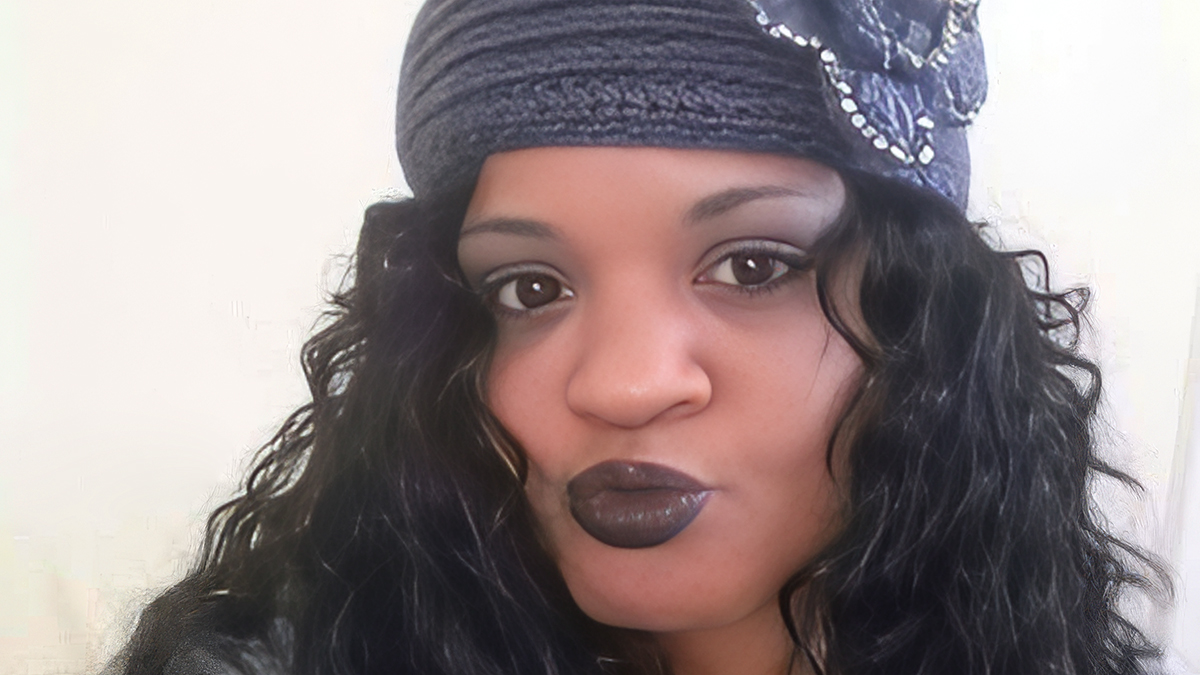
For Khayree Lilly, poetry is not a performance choice but a necessity. In conversation, the poet and activist described writing as a way to process feelings without interruption and to say what often goes unsaid. Her work grows from daily experiences of Black life and responds when “my soul responds to what is going on.” Whether shared on the page or spoken aloud, the poems are meant to challenge audiences, invite reflection, and spark action. Lilly sees no divide between art and advocacy, using poetry to document the moment and to speak truths that are often kept “in whispers and hushed tones.”
How did poetry become the medium you use to address Black social activism?
It’s easier to write and process my feelings. I can write without interruptions or someone telling me how I feel.
What moments or events guide the themes you choose to write about?
I write about my experiences. I write the words I can’t say in public. I write about the pain of everyday living in a Black person’s life.
How do you decide when a poem should respond to a public issue?
If my soul responds to what is going on, I will write about it.
What role does audience response play in shaping your work?
The response, whether positive or negative, will push me to delve deeper and take bolder steps on the subject. I like to write words that will make people stop and think, even if they don’t like what I said.
How do you balance art and advocacy when sharing poems on public platforms?
There is no balance. To me, it’s one and the same. Art should provoke a reaction just like advocacy does. I learned that if you’re Black and you advocate for yourself, you will provoke the reaction of anger.
What responsibility do you believe poets hold within Black social activism?
Every poet should be writing lyrics for the Black Pride or Black Power movement. Poets are categorizing the climate of what is going on in the world.
How has public visibility changed the way you write or perform?
Now that people are reading my poems or hearing my words, I use that as an educational moment, or I challenge everyone to make a change and not to sit and be quiet. So, I’m going to loudly recite those words that are said in whispers and hushed tones. I want to fire that anger and the truth that it brings.
What challenges arise when poetry enters political or civic spaces?
People tried to persuade you to stick with poems about love and trees and stars. You have to be a strong person to write poems about politics and social reform. You have to make sure you research the topic to stand on business when the pushback comes. The pushback will come because poetry is a mirror, and they may not like what they see.
How do you measure impact beyond readership or attendance?
I use written feedback when my poetry is published. When I perform my poetry, I watch the audience’s reaction.
What advice do you offer poets who want to engage with Black social activism through their work?
I would tell them to use their life experiences. Write from your soul. The soul will always bring your words to life. Don’t be afraid to lift your voice. Don’t listen to critics, and don’t take anything personally.