


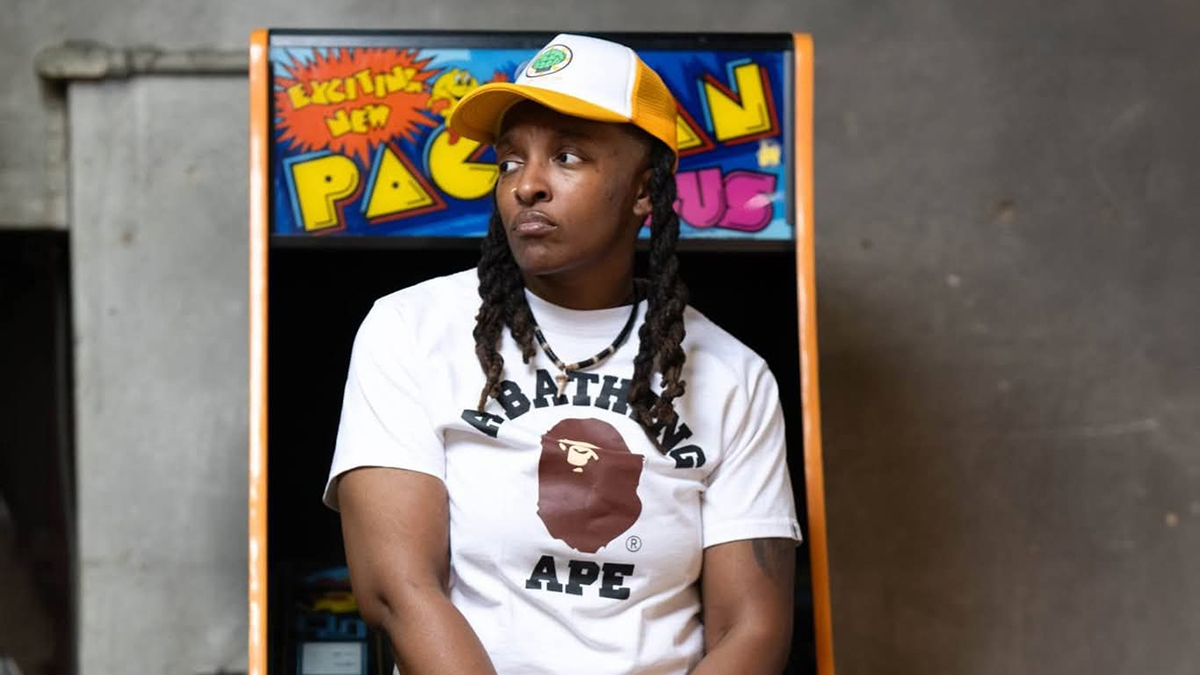
Blending raw honesty with genre‑bending creativity, Lady Shakespeare stands at the intersection of resilience, cultural richness, and artistic evolution. Known for transforming personal trials into powerful storytelling, she continues to carve out a space where vulnerability and strength coexist. In this conversation, she opens up about grief, identity, creative freedom, and the growing presence of Jasmin—the woman behind the artist—within her music. What emerges is a portrait of an artist who refuses to be boxed in, choosing instead to grow, adapt, and inspire.
You’ve spoken openly about loss, betrayal, identity, and perseverance. How has transforming those experiences into music changed the way you understand yourself?
It’s taught me acceptance—real acceptance. Understanding that things end, sometimes badly, and that’s okay. There’s always light at the end of the tunnel. When I write songs about difficult experiences and the outcome is perseverance, I’m telling people: If I’ve been through it and overcame it, you can too. My music, especially on “No Pressure,” teaches that.
As Lady Shakespeare evolves, what parts of Jasmine are becoming more visible in your music and public image?
The rapping and coping—that’s Lady Shakespeare. But the singing? That’s Jasmin. Make sure you spell it right: J‑A‑S‑M‑I‑N. I’ve been singing since I was three. My mother loved Whitney Houston’s I Will Always Love You, and I’d sing it all the time. I used to be nervous singing in public, but you can’t force that kind of pressure on someone. I had to grow into my own skin, test the waters, and become comfortable with my voice.
You embrace versatility in both sound and style. Is there a genre or collaboration you want to explore that might surprise your audience?
I’ve already shocked people with my Spanish pronunciation on a radio show. But I’d love to explore funk and soul—something like Pharrell Williams’ Hot and Fun with N.E.R.D. The mix of basses, synths, harmonizing… that fusion is where I want to go. Think Pharrell or Bruno Mars energy.
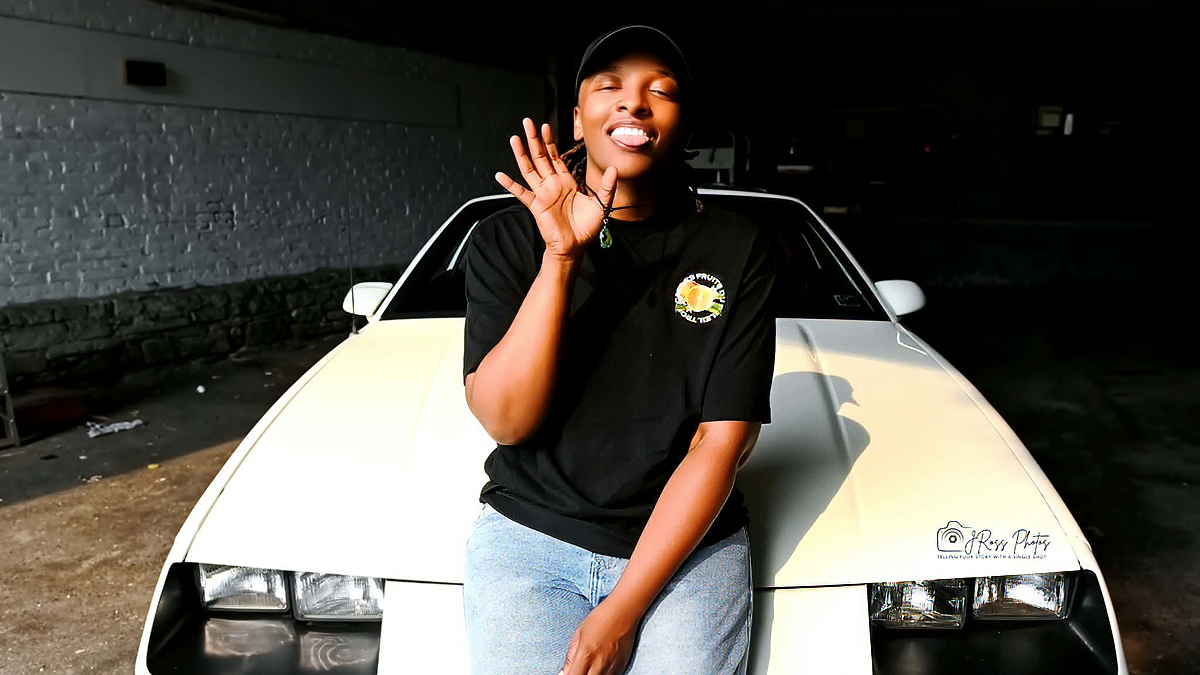
Your background spans Baltimore, the Bahamas, and Latin influences. How do you decide when to bring those parts of your identity into a song?
Honestly, it just comes naturally. I grew up with salsa and merengue—Celia Cruz, Willie Colón, Johnny Pacheco, Tito Puente, Marc Anthony, and Ricky Martin. My mother never saw color in music; she saw connection. Later I learned I had Latin heritage myself, and it made sense. There’s nothing wrong with showing different languages or cultures. Bad Bunny does that—he shows all shapes and colors. Rita Moreno pushed for that too in the West Side Story remake. Representation matters. It exists, and it needs to be shown.
You’ve described music as a way to send a message. What do you hope listeners understand about you after hearing your next body of work?
Get ready, because that’s not the end. It’s only the beginning. After hearing this album—especially the last song—you’ll want more. And that’s the point. Give them a little, and leave them wanting more. That’s the direction I’m going.
How has grief affected your relationship with creativity? Has music become healing, reflection, escape—or something else?
All of the above. Music was there when I lost my mother. It was there when I had to cut off people who no longer belonged in my life. It’s my aid, my go‑to. If it weren’t for music, I wouldn’t be here. Music actually saved me.
The industry often pressures artists to fit a specific image. How do you protect your creative freedom?
By not bowing down to people’s low expectations or letting them mold me into something I’m not. Some managers want the title more than the work. Some tried to control me or make me look a certain way. I’m a Libra with Virgo in my chart, and my mother was a Taurus—she had that mouth. So if you come at me sideways, I’ll match your energy. Then suddenly I’m “difficult.” No—I just see what’s going on. I give people the benefit of the doubt, but when things add up, we have a problem.
What does success look like for you now, and how has that changed since you first started?
Success is just another step. Once I reach one goal, I’m already onto the next. I’m ADHD, so my brain is always on go. I’m already working on the next album. But you have to manage success without going into overdrive. Fame can make you lose sight of what’s important—family, love, and the people you started with. Some folks get caught up in titles—boss, CEO, manager—but they don’t even know what that means.
When you look back at this chapter of your career, what do you hope people remember most about the artist and woman you are becoming?
That I’m human. Yes, I have a past. Yes, I’ve gone through things. But they don’t define me. I become better and greater than before. I recently rewatched all my music videos—from the first one on—and I saw this fresh talent with a baby face, ready to go, but with a lot of trials ahead. When you’re great at what you do, people want a piece, and not always for good reasons. So watch yourself, be careful, and go with the flow.