


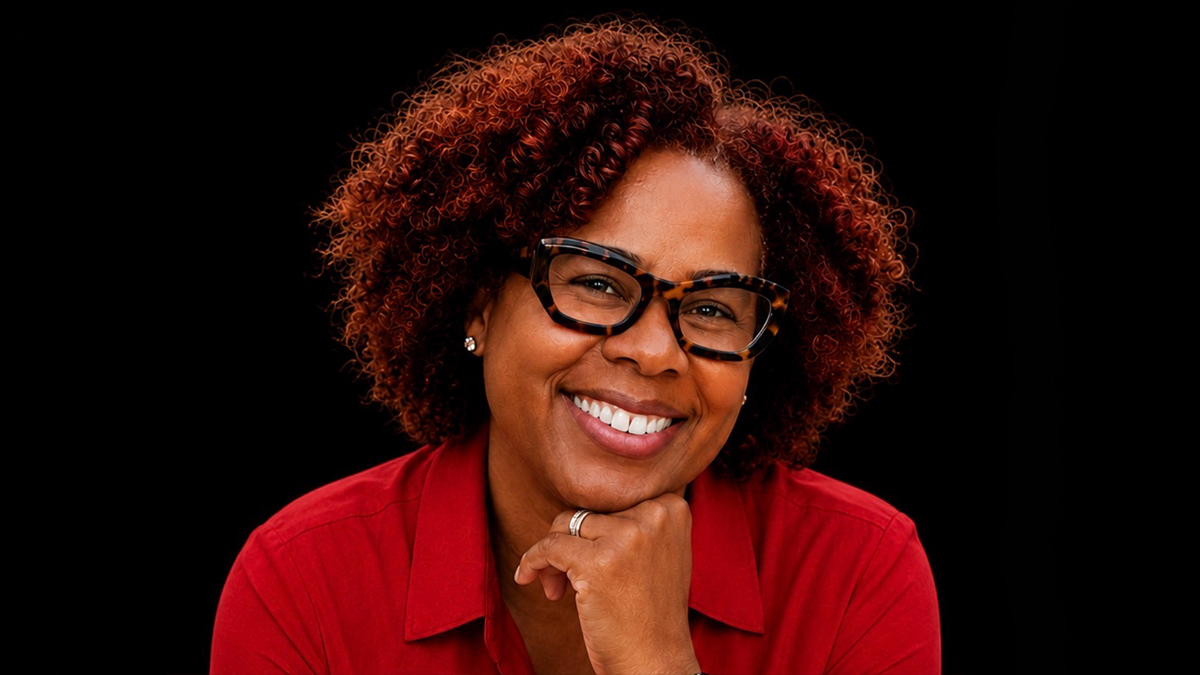
Beverly “BJ” Rouse doesn’t simply tell stories—she invites you into a living, breathing interior world where silence carries weight, care becomes an act of bravery, and culture is examined with unflinching honesty. In conversation, she is soft‑spoken yet fiercely intentional, a filmmaker who understands that the most powerful narratives aren’t loud; they’re truthful. Her work emerges from lived experience, spiritual intuition, and a rare ability to see a complete story before a single word hits the page.
In her latest film, “First Fruit,” Rouse crafts an intimate portrait shaped by real relationships and real emotional terrain. And with her upcoming feature, Mayonnaise on White Bread, she’s poised to ignite cultural dialogue in a way that feels both daring and necessary. Rouse is not chasing fame—she’s building legacy. She’s creating art that asks audiences to listen, to reflect, and to confront the spaces where identity, empathy, and discomfort collide.
What motivated you to convey the narrative of “First Fruit” with such personal depth and intimacy?
I was inspired to tell the story intimately because it is intimate to me. Although it’s a fictional narrative, it’s rooted in a real relationship—real people in my life, especially Andrea, the female lead. Andrea started out as my neighbor and became a great friend, almost like a big sister. Experiencing someone so thoughtful and caring made me feel her essence needed to be preserved and honored. I wanted to tell the story in a way that protected her dignity and reflected the honesty of who she was, especially in her relationship with her new neighbor, Paul, and how their friendship evolved.
As both writer and director, how did you balance protecting your original vision while staying open to what the cast brought to their characters?
Honestly, that wasn’t difficult. Both actors embraced the script immediately—they understood the story, the emotional spaces, and the themes of love, loss, grief, and friendship. It wasn’t a hard sell. We were all aligned from the start.
There were moments where I encouraged them to bring their own truth to the characters—something I could never fabricate. Darren and I exchanged notes early on about Paul, and our thoughts were almost identical. Because they understood the story so deeply, I trusted them. And because they trusted me, the collaboration flowed naturally.
The film’s tagline is “Care is a form of courage.” What did that phrase mean to you before making the film, and did your perspective change afterward?
Before making the film, I believed care requires courage—whether caring for someone else or caring for yourself. Sometimes rejection is involved. Sometimes the person or space needing care isn’t welcoming it, and you still have to give it anyway.
After making the film, that idea was reinforced. The care my cast and crew had for the story, for the art, for each other, and for me validated everything I felt. On set, we lived in a vulnerable space—showing strengths and weaknesses and building the story together. It deepened my understanding of courage through care.
There are moments in the film where silence speaks as loudly as dialogue. What made that approach work for this story?
The quietness was intentional. I didn’t want to speak for the audience or manipulate their emotions. I wanted viewers to come to their own conclusions—about the story, the symbolism, the meaning, and how it applies to their own lives.
Even with the musical score, I avoided anything that would force emotion. I wanted the film to simply be, trusting that the audience is intelligent and self-aware. From the first line of the script, I knew the story needed to be quiet, reflective, and thought‑provoking rather than loud or emotionally manipulative.
What lasting impressions do you wish to leave with audiences once the credits have finished rolling?
I want audiences to walk away with an appreciation for life—how short it can be and how meaningful the small spaces are. I want people to show up for others, appreciate those who show up for them, and find care in subtle moments rather than loud gestures that drown everything out.
Life can feel like a single day—one that expires quickly. So when the morning comes, I hope the day before was well spent.
Thank you for taking out time and sharing your story for the interview. I know you appreciate the process.
Yes, I do. And honestly, this is not my lane. I’m in a different space right now. I want people to know about the film, but doing interviews requires trust because I’m such a quiet person. Still, it’s necessary. It’s an investment in the story, in myself, and in the stories people want to hear.
This is a powerful film, and now that it’s completed, what’s ahead for you?
I can’t wait for you to see what’s next. I’m developing my first feature. The film is called Mayonnaise on White Bread.
That title is unforgettable. You have to tell me more!
I got it from a conversation with my sister comparing Woodstock to Coachella. A journalist once described Woodstock as “mayonnaise on white bread,” and it stuck with me. The film follows six young adults from different backgrounds who plan to go to Coachella. They’re waiting for traffic to die down, so they’re all stuck in an apartment having difficult conversations about culture, identity, and perspective.
It’s about listening—really listening—even when you disagree. You don’t have to fight. You don’t have to leave. You can hear someone out and move forward. They eventually get in the car to leave, but we never go to Coachella because the film isn’t about Coachella. It’s about culture, understanding, and open‑mindedness.
That’s powerful. The title alone makes it a cultural classic waiting to happen.
That’s how I felt writing it. I couldn’t put it down. Listening to young adults—my nieces and nephews—shaped the dialogue. One of the questions in the film is, “What is white culture?” And one character jokes, “The hokey pokey.”
It’s humorous, but it opens the door to deeper conversations about appropriation, identity, and cultural ownership.
WANT TO SUPPORT FIRST FRUIT’S SCREENING & FESTIVAL RUN?
Scan the QR code to learn more about Film Independent and make a tax-deductible donation toward costs associated with screenings, festival submissions, and bringing the film to more audiences.