


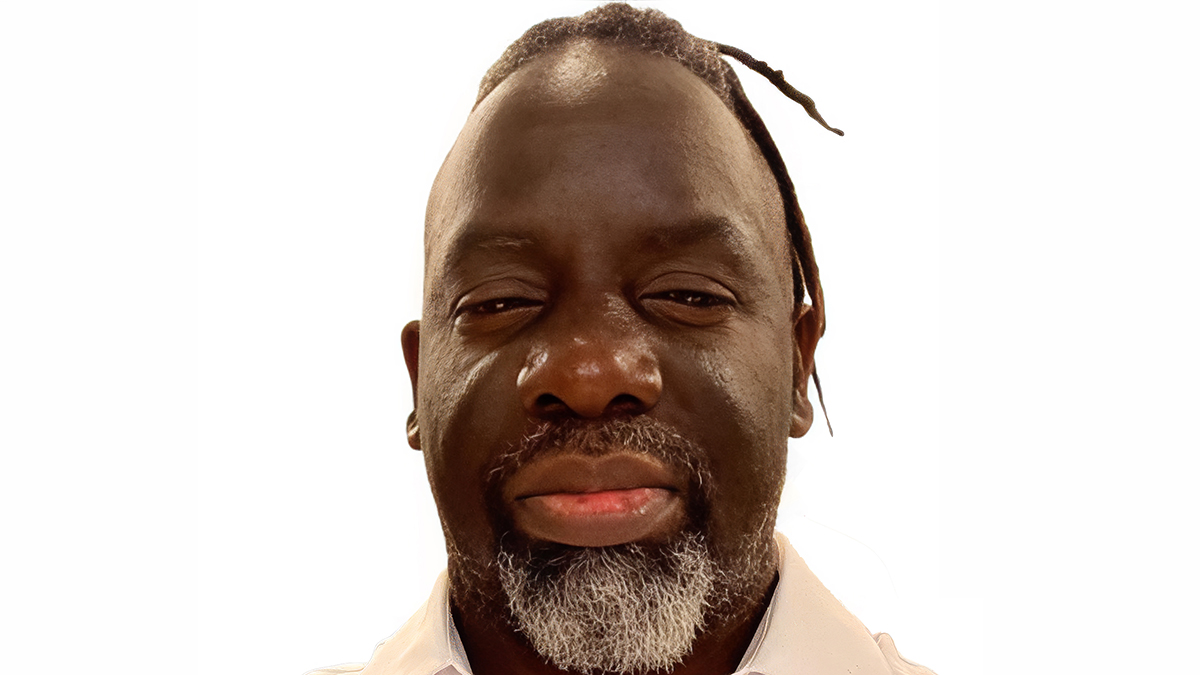
Be’n Original is the kind of creative who understands that success means more when you can bring others along with you. Whether he’s making connections, creating opportunities, or putting people in position to win, he’s intentional about making sure others have a chance to shine. But his impact doesn’t stop there. With a book on the way and plans to expand his work beyond the page,
Be’n Original is continuing to build a legacy that reflects his experiences, perspective, and vision for what’s possible.
We sat down with him to discuss his journey, the importance of putting others on, his upcoming book, and what’s next as he continues to turn his ideas into something bigger than himself.
You have built your career across many different areas of the entertainment industry. Looking back to the beginning, what has kept you going through the ups, downs, and pivots?
That’s a great question. I think the best answer is the love I have for what I do. I feel that I was born to do this. It’s a purpose that I serve, and in doing so, I serve something bigger than myself. I know how to use my position and level of influence in a way that serves others and the culture as a whole, which has given me so much.
You have a new book coming out, Power Kingdom. What was the inspiration behind the book, and what do you want people to take from it?
For those who may not know, Power Kingdom is a colloquialism for Poughkeepsie, New York. It’s the place where I was born and raised. Through my experiences there, I’ve come to understand that the struggle to remain morally sound even through bad times is often understated. Most of us choose to be good. Most of the time, people who do bad things aren’t necessarily bad people; they’re decent people who make bad choices. I have empathy for the people I’ve grown to love and respect, even when I don’t agree with their choices.
Power Kingdom is a story about that dynamic. What does loyalty look like under different circumstances? We may not always condone the choices that the people we hold dear make, but we can look at the circumstances that led them there. I hope readers meet characters experiencing different levels of trauma and loyalty and walk away with an understanding of their humanity. There are times when I might look at a situation and say, “I would never do that,” until the dynamic shifts and I find myself doing the very things I said I would never do. That understanding has taught me not to judge people—or, if you do judge them, to judge them in totality. Look at the mitigating circumstances that influenced their decisions. That doesn’t mean you condone their choices, but you should try to understand what led to those decisions.
Why did you feel this story needed to be told? Did you have anyone or anything in mind while writing it?
Truthfully, I named my son after this character 25 years ago. I felt that this character represents a part of me; I embedded a part of me into him. If I had made different choices, I don’t think I would stray too far from who this character is.
In life, you have to choose your path, and everybody doesn’t necessarily make the distance with you. People make choices, and sometimes you part ways peacefully; other times, the reaction is adverse. At the end of the day, we all have to walk our own paths. That’s why it was important for me to tell this story. It makes you take a real look at how we define good and evil, and even characters who may appear—or truly be—evil deserve some empathy as human beings. You may not make the same choices, but you may not have experienced those dynamics or carried that trauma.
I modeled so many characteristics of these characters after people I love and hold dear to my heart. The book is a way of honoring my loved ones, my friends, and the family I chose for myself.
The book is being pitched as a television series. When you think about Power Kingdom moving from page to screen, what would you want audiences to connect with most?
Some of the most popular series that come out of Black culture have writers who do a great job of capturing things. With my artistic vision for Power Kingdom, I took things I liked about shows I watched, whether it’s Snowfall, Raising Kanan, or Power, and considered things I may not have enjoyed as much.
When you’re a writer watching shows, you start to hyper-focus on and analyze how they structure their stories. It can be annoying for the average person because we look at everything and ask, “Does it make sense?” Even with the greatest shows, there’s rarely a series where you’re 1,000% in agreement with how the story plays out at the end. Writing Power Kingdom gave me the opportunity to tell a story my way. I hope people find it a thrilling ride as they watch these characters move through a world where the consequences are very real and the stakes are high.
You’re also connected to UMA, which works across public relations, marketing, media, and digital strategy. What led you to become involved with UMA, and what makes it different from other companies in the industry?
I think what primarily makes it different is me, the people on my team, and our collective, unique vision for how we should introduce something to the marketplace. The key to selling something is helping the consumer understand it from your perspective. How does this story benefit the community? What are the key ways to make sure you don’t inadvertently offend people?
We’ve seen brands make choices that offend or disrespect people in the consumer marketplace. I think you have to know what you’re talking about. If you’ve never had an understanding of Black spaces, it can be difficult to market something to Black people without that input. That’s one of the downfalls of going against DEI: there may be no one in the room who can say, “Hey, I wouldn’t do that.”
Beyond that, everybody on my team is brilliant. They have their own vision; it’s not always about doing things my way but about doing things the best way. They’re well-rounded individuals with compassion and understanding, and they make sure all things are considered. You’re not going to make everybody happy, but you shouldn’t make anybody mad.
UMA also has an open roster of talent and creative people. Why is it important to create opportunities for people who have the talent and vision but may need the right connections or platform to reach the right people?
I believe that 95% of the reason aspiring talent never has a breakthrough relates more to the other 95% of the game—positioning yourself and avoiding self-sabotage—than to talent quality. That happens a lot. Unless you do the research, pay attention, study, and are fortunate enough to have a good mentor, you don’t know what you don’t know. I think we can help people make their dreams come true. I was able to navigate the industry and make my dream come true, but I come from a city where there were so many talented people who didn’t make it. The guy flipping fries at McDonald’s probably didn’t set out for that to be his dream. But without knowing how to maneuver, and through an unfortunate series of choices, that may be where he ended up.
I always say I want to help dope people do dope things, because I know what it’s like to have to get it on your own. I know what it’s like to be blessed with a great deal of talent but not have an in. I used to fax my resume three or four times a week. I was relentless in pursuing my goals, and eventually I broke through. Some successful people my age, including Diddy and Jay-Z, were able to find support earlier. At the end of the day, the only thing we leave behind is our work. I’d like my legacy to be that when no one believed in someone, I believed in them and helped them get to where they are today. Through UMA, there are people who are widely successful, and one might reasonably argue that you might not know some of them if I hadn’t intervened in their careers at one time or another.
What’s something you’ve learned in the entertainment industry that you wish you had known when you were starting out?
The hardest lesson—and one that took me far too long to learn—is that everybody can’t go. That’s a tough and heartbreaking lesson to accept. No matter how much you want something for people, they have to want it for themselves. It was a humbling experience to realize that some things are beyond my control. Even with the best intentions and the greatest opportunities in front of people, you can present those opportunities, and they may still reject them. I wish I had accepted sooner that certain individuals in my life weren’t meant to go. That’s not a judgment, because everything isn’t for everybody. Sometimes you realize something is not for you only after trying it. I could have spared myself a lot of grief if I’d understood earlier that everybody can’t go.
I never got into this game to win alone. I feel like I could win alone on any given day of the week, but I want to be of service to others. I never wanted to get to the top and stand on the pinnacle by myself. I wanted to bring the people I love and hold dear with me. That’s why I focus on the family I chose for myself, as opposed to only the family I was born into.
When you look back at everything you’ve accomplished and everything you’re working toward, what do you want this next chapter to represent for you and the people who follow your journey?
As much as I want great things for myself, it’s not always about me. I’d like to position people so they can do great things for others. I want to empower good people, and that’s what the next part of my journey is focused on: positioning good people with the power of influence, because you can’t take it with you. Once Steve Jobs died, that was it. Somebody else steps into that position, but he didn’t take it with him. You hope the people you help along the way can continue to serve others. We’ve seen people achieve great success and then weaponize it, doing more harm to the culture and community than good.
I think about what might have happened if someone with talent comparable to R. Kelly’s had been given that opportunity instead, without the harmful behavior and allegations that have surrounded him. All that power and influence went to waste, and people were hurt. What if the person who put him in that position had put someone else there? Those are the things I think about. I want to empower people, and I want to make sure I’m not creating monsters. I’m not responsible for every choice someone makes, but I want to do my due diligence and empower good people so they can empower others.
You have a lot going on and are exploring opportunities for yourself and others. What are you focused on right now, and what can we look forward to in the near future?
I’m working on pivoting toward television and film because I believe I have a lot of stories to tell. Writing is almost like living in a parallel world where you can create anything. I want to explore that level of storytelling because I believe I can contribute to the messaging and make people feel something.
I also want to see other people succeed and take pride in being part of that, at whatever level makes sense. Some of my peers have gone on to write for television shows, including projects like Black Is King with Beyoncé. People I came up with as writers for publications like The Source, XXL, and Vibe have gone on to do other things outside of that. I feel the world could benefit from my skills.
On a personal level, I want to move into television and film. But the goal is also to help tell other people’s stories. Some are cautionary tales, and some are stories of redemption. They can remind people that regardless of what they’re going through or what challenges they face, others have persevered through worse. Every morning is an opportunity to turn things around. It’s never too late, no matter how old you are or what you’re facing. I want to inspire people to have hope for their greater selves.

