


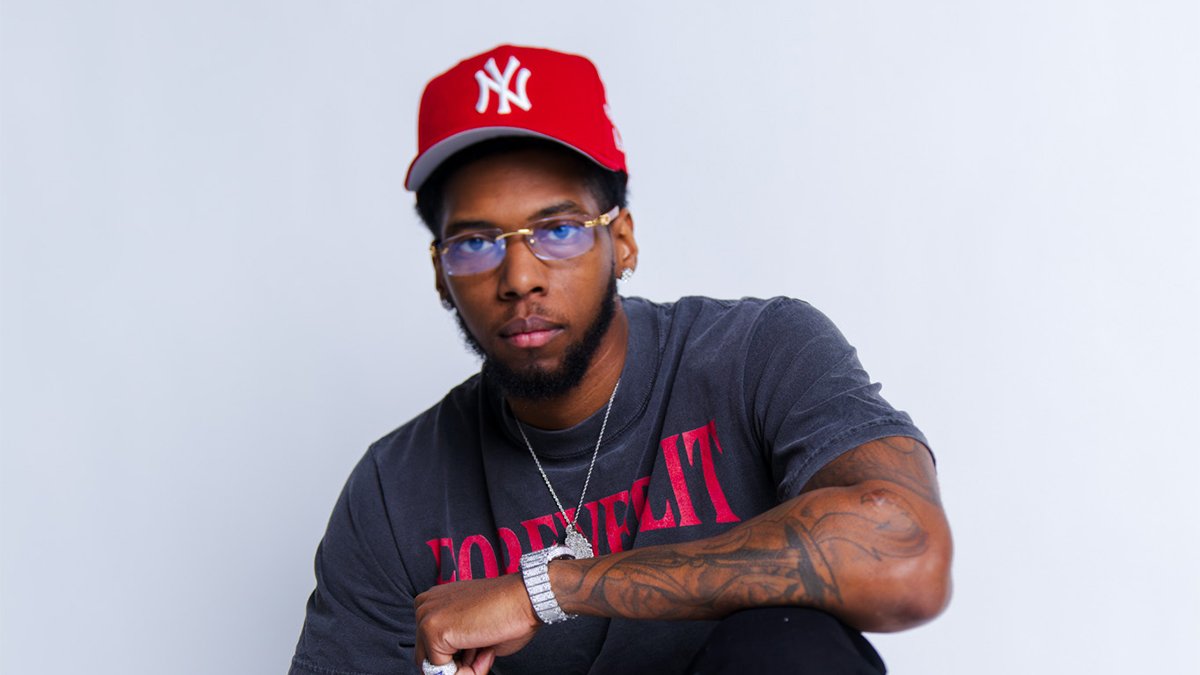
Forever Lit Zay is turning his street experiences into a platform that gives overlooked communities a voice. Through interviews and documentaries, the YouTube creator shares stories with authenticity, respect, and purpose. Inspired by Nipsey Hussle, Zay is expanding his ambitions beyond street culture, pursuing opportunities in acting, fitness, and fashion while encouraging others to dream bigger.
In this exclusive conversation, he discusses responsible storytelling, mentorship, personal growth, and his determination to build a career beyond YouTube.
Your platform gives people connected to street culture an opportunity to tell their stories. Have you ever interviewed someone whose experiences challenged something you believed about the streets?
Yeah. Giving people a platform to tell their stories is what it’s about. It still surprises me when I interview people from other states and hear about the challenges they face. At the same time, I see the similarities we share, even though we come from different environments.
You mentioned traveling to Houston and connecting with people from different neighborhoods. What have those experiences taught you about the differences and similarities between street cultures across America?
Going to Houston definitely opened my eyes. Interviewing people over the phone gave me some perspective, but seeing things firsthand was different. We all grew up in the hood, so to speak, but people talk differently and carry themselves differently. We’re all the same in some ways, even though we come from different walks of life.
It showed me how relatable my content can be. I could understand their experiences because I’ve been through similar things myself, just in a different part of the world. You feel what I’m saying?
A lot of content creators document street life, but there’s a thin line between telling someone’s story and exploiting their circumstances for views. How do you make sure your platform respects the people you interview?
That’s definitely true. Unfortunately, we live in a world where negativity spreads faster than positivity. You see other platforms doing similar things, sometimes exploiting people to make money. But I come from that environment. I was involved in that life, so I know firsthand how to carry myself and conduct interviews. I’m not going to ask police-type questions.
I’m not going to ask somebody, “How many people did you shoot when you were in the streets?” I’m never going to be the one asking those kinds of uncomfortable questions. At the same time, as a journalist, I have to be ready to ask certain questions. I just know where the line is, especially if someone has things going on in their life. I try to use the platform in a positive way.
Even when I do hood vlogs, I tell people not to show guns, weed, or anything like that. I make it clear: no weapons. I know how those things can paint a picture for the audience, so that’s how I approach it.
You’ve talked about transitioning from street-related content into acting and fitness. Do you worry that changing your content might alienate the audience that helped build your platform?
Yes and no. I feel like the core fan base I’ve built over the years will stick with me no matter what I do. When you build an audience and give people something of value, you can have longevity even as you grow into other things.
You see rappers venture into different areas and still maintain their fan base. Look at Wiz Khalifa. He’s shifted a lot of his focus toward running and fitness, but the fans he built over the years still support him.
That’s how I look at my content. Street content is what built my core audience, but I believe they’ll follow me through that transition.
You credited Dream Foreign with encouraging you to pursue YouTube. How important has mentorship been in your career, and are you now helping other creators find their footing?
I consider myself a sponge because I’m still soaking up everything I can. I’m not where I want to be with my content yet, but I’m growing, and people see that. I do what I can to help other creators, and I learn from them, too. You can learn from somebody even if they’re not at the same level as you.
That’s how I learned from Bro. He taught me a lot about YouTube, including monetization and what it’s like to get demonetized. He kept posting videos even when he wasn’t making a dime from them. Watching him go through that taught me something. You can learn from other people’s mistakes and experiences to help yourself grow.
You’ve said you want to turn content creation into a full-time career. What would you consider your first major breakthrough outside of YouTube?
That’s a good question. I don’t think I’ve crossed that road yet. But if I had to name something outside YouTube, it would probably be my clothing brand. Before I started doing YouTube, I had already built buzz around the city with the brand, and I kept going. I’d say that was my first breakthrough outside YouTube, even though the two go hand in hand now.
Having experienced street life firsthand, what advice would you offer young people who see that lifestyle as their only path to recognition, respect, and financial success?
I would say it starts with your mindset. From my own experience, I didn’t know much beyond what I saw every day. Once you start seeing other possibilities, your mind starts to change. As I said earlier, I never thought taking a chance on YouTube would get me to where I am now. People in other states know me and want to create content with me. I didn’t think I would reach this point.
So I’d tell young people to work on their mindset and try to change their environment. When you do that, you start seeing other possibilities. That’s what happened to me. Now my focus is on going legit, doing the right thing with my content, and taking care of my people.

